Zavedení
Mobilní hydraulické systémy instalované na zemních rypadlech, kolových nakladačích, mobilních jeřábech, zvedacích pracovních plošinách a těžké zemědělské technice čelí bezprecedentním konstrukčním nárokům. Operátoři strojů a vlastníci vozového parku vyžadují vyšší pracovní rychlosti, jemnou proporcionální přesnost řízení, sníženou spotřebu paliva, nižší emise hluku a prodloužené intervaly údržby.
Aby uspokojili tyto agresivní výkonnostní cíle, výrobci originálního vybavení (OEM) přecházejí od konvenčních systémů s otevřeným středem s pevným objemem směrem k pokročilýmload-sensing (LS),elektrohydraulické proporcionálníakompaktní vysokotlaké potrubíarchitektury.
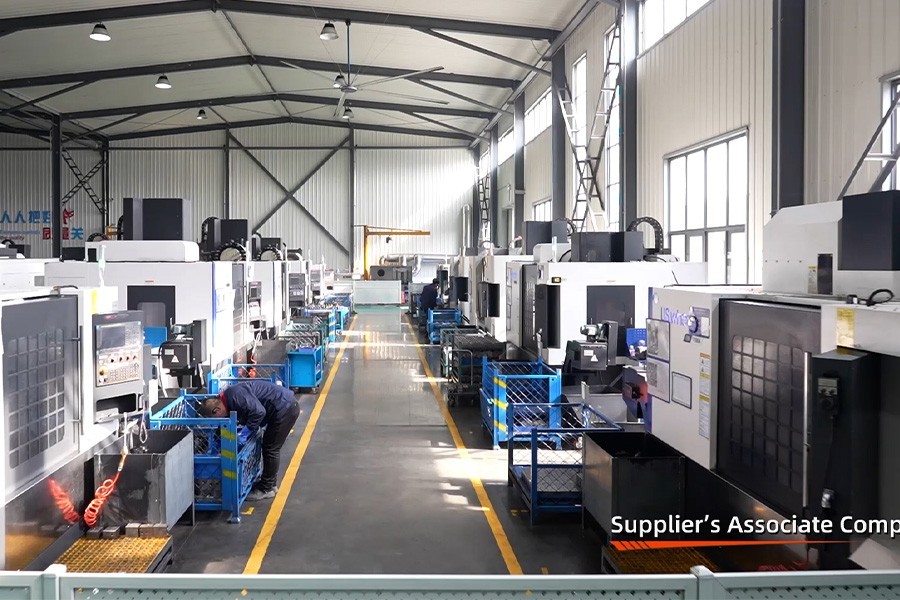
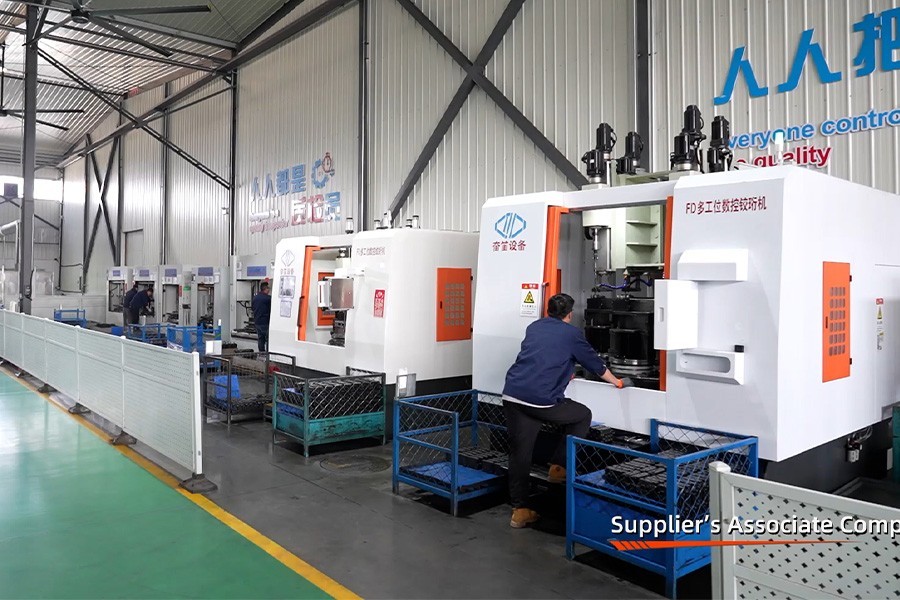
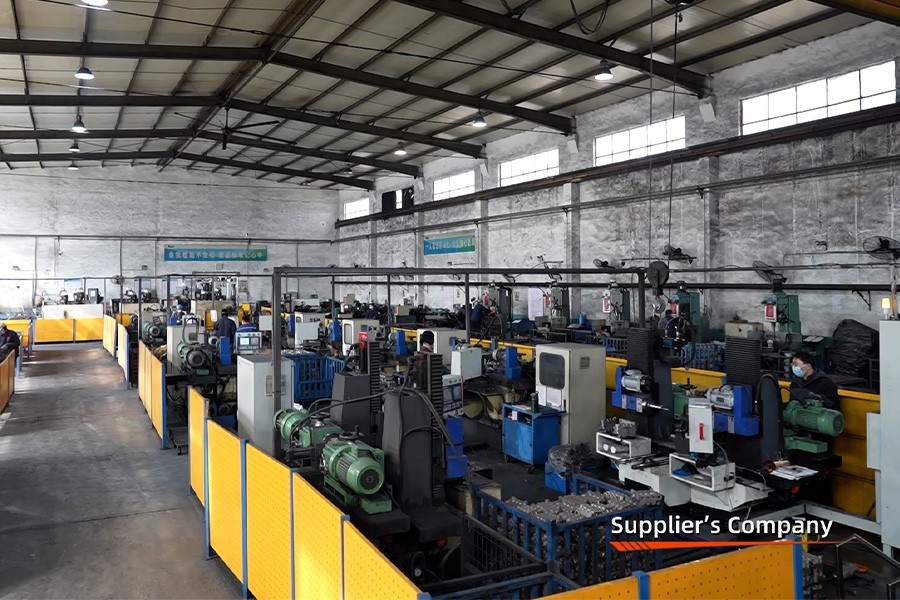
Ve společnosti Boxinhuasheng Hydraulic Technology Co., Ltd. naše inženýrské oddělení pracuje v popředí vývoje mobilní hydrauliky. Boxinhuasheng, který působí v našem kampusu o rozloze 68 000 m² v Qingzhou v Číně, přináší více než 25 let zkušeností s výrobou specializovaných ventilů a čerpadel ve čtyřech moderních výrobních závodech. S podporou 35 vedoucích hydraulických inženýrů, 260+ pokročilých CNC strojů a 30+ automatizovaných zkušebních stolic certifikovaných podle norem IATF 16949 dodáváme vysokotlaké směrové ventily, zubová čerpadla, pístová čerpadla a jednotky PTO výrobcům zařízení ve více než 80 zemích.
Tento článek poskytuje technickou analýzu čtyř hlavních vývojových trendů transformujících architekturu mobilních hydraulických systémů.
Trend 1: Přijetí architektury Load-Sensing (LS) a Post-Pressure Compensed Architectures
Konvenční hydraulické systémy s otevřeným středem vypouštějí přebytečný průtok čerpadla přes obtokové chodby při nízkém tlaku, když jsou pohony nečinné. Při multifunkčním provozu se však kapalina přirozeně ubírá cestou nejmenšího odporu a snáší větší zátěž, pokud operátor ručně neměří více ovládacích pák.
┌──────────────────────────── ────────────────────────────┐
                  │ ARCHITEKTURA SYSTÉMU LOAD-SENSING (LS) │
                  └──────────────────────────────┬ ───────────────────────────────┘
                                              │
         Signál nejvyšší zátěže pracovního portu (P_max) přiváděný zpět přes signální linku LS
                                              │
         Čerpadlo s proměnným objemem / Kompenzátor vstupu upravuje tlak
                                              │
Konstantní tlakový diferenciál (ΔP) udržovaný napříč otvory cívky- Princip Load-Sensing (LS).: Interní signalizační síť LS snímá nejvyšší aktivní tlak na pracovním portu ($P_{load}$) napříč všemi aktivními šoupátky ventilů a přenáší tento signál do řízení čerpadla s proměnným objemem nebo do kompenzátoru vstupního tlaku.
- Úspora energie: Čerpadlo upravuje výstupní průtok a tlak tak, aby udrželo konstantní diferenční tlak ($\Delta P \cca 1,5 - 2,0\text{ MPa}$) nad $P_{load}$. Když se cívky vrátí do neutrálu, objem čerpadla klesne do nízkotlakého pohotovostního režimu, čímž se ušetří až 20-30 % spotřeby paliva motoru.
- Kompenzace po tlaku (sdílení toku / LUDV): Zajišťuje, že když celkový požadavek na průtok pohonem překročí maximální kapacitu čerpadla, všechny aktivní pohony se proporcionálně zpomalí, místo aby úplně zastavily těžší funkce.
Trend 2: Elektrohydraulická integrace proporcionálního elektromagnetu a rozhraní mikrokontroléru
Vzhledem k tomu, že terénní stroje využívají semi-autonomní provoz, navádění GPS a elektronickou telematiku, musí hydraulické směrové řídicí ventily hladce komunikovat s elektronickými řídicími jednotkami vozidla (ECU).
+-------------------------------------------------------------------------+
|                  ELEKTRO-HYDRAULICKÉ EVOLUČNÍ METRIKY |
+--------------------------+----------------------+----------------------+
| Kontrolní rozměr | Tradiční pilot | Moderní Electro-LS |
+--------------------------+----------------------+----------------------+
| Střední signál | Nízkotlaké olejové vedení| CAN-bus / PWM drát |
| Kabina instalatérské nad hlavou | Vysoká (hadice do kabiny) | Minimální (elektrické) |
| Flexibilita měření | Pevná mechanická křivka| Softwarově nastavitelné |
| Hystereze | 5 % - 8 % | < 1,5 % (PWM Dither) |
| Schopnost automatizace | Pouze ruční obsluha | Kompletní telematika/GPS |
+--------------------------+----------------------+----------------------+- Ovládání pulzní šířkové modulace (PWM).: Solenoidem ovládané pilotní ventily řídí zdvih šoupátka prostřednictvím signálů 12V/24V PWM. Superponování vysokofrekvenčního střídavého ditherového proudu (100–200 Hz) snižuje mechanickou hysterezi pod 1,5 %, což umožňuje plynulé mikroměření.
- Přímé připojení CAN-Bus: Integrované moduly elektromagnetického ovladače přijímají příkazy sběrnice CAN J1939 přímo z mikrořadičů vozidla, čímž se eliminují objemné hydraulické pilotní hadice uvnitř kabiny obsluhy.
Trend 3: Kompaktní monobloky z tvárné litiny pracující až do 31,5 MPa
Prostorová omezení vozidla vyžadují hydraulické ventilové rozvody, které poskytují vyšší hustotu výkonu ($kW/kg$) v kompaktních montážních obalech:
- Metalurgie tvárné litiny (QT500-7): Nahrazení tradičních pouzder ze šedé litiny za vysokopevnostní tvárnou litinu umožňuje ztenčení vnitřních stěn galerie při současném zvýšení trvalého jmenovitého pracovního tlaku až na 31,5 MPa (315 bar).
- Integrované ventilové kazety: Hlavní pojistné ventily, vstupní rázové ventily, antikavitační zpětné ventily a zátěžové zpětné ventily jsou integrovány přímo do pouzdra hlavního ventilu, což eliminuje vnější potrubí a potenciální místa úniku.
Trend 4: Řízení mikrokontaminace a přísnost ISO 4406 na čistotu
Vzhledem k tomu, že se vůle mezi cívkou a vrtáním zmenšují na submikronové rozměry (tolerance 2 mikrony), aby se minimalizoval vnitřní únik pod tlakem 31,5 MPa, stává se řízení kontaminace kapalin kritickým provozním požadavkem:
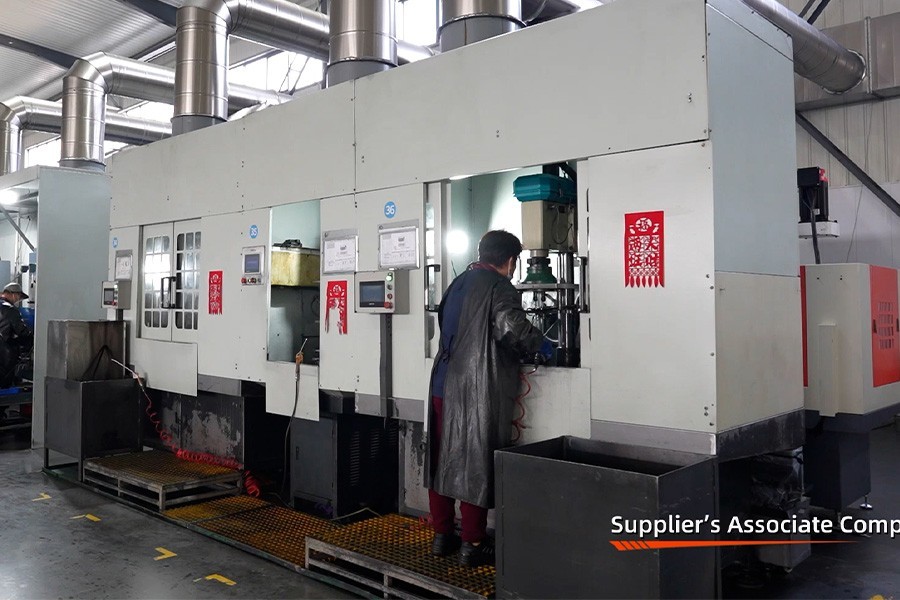
- 5-stupňové ultrazvukové mytí: Přesná pouzdra ventilů procházejí během výroby 5-stupňovým ultrazvukovým mytím rozpouštědlem a tepelným odstraňováním otřepů, aby se odstranily mikroskopické třísky z obrábění před montáží.
- Normy ISO 4406 Code 16/14/11: Výrobci OEM mobilních zařízení prosazují přísnou offline mikrofiltraci na výrobních montážních linkách, aby bylo zajištěno nulové vázání cívky během prvního uvedení stroje do provozu.
Kontrolní seznam kupujícího: Hodnocení dodavatelů mobilní hydrauliky nové generace
Při uzavírání víceletých smluv na dodávky pro platformy mobilních strojů nové generace by ředitelé nákupu měli ověřit:
- [ ]Produktová řada Load-Sensing: Vyrábí dodavatel monoblokové a sekční ventily load-sensing (LS) s kompenzací dotlaku?
- [ ]Elektroproporcionální solenoidové schopnosti: Jsou solenoidy dimenzovány pro řízení PWM s nízkou hysterezí (< 1.5%) and IP67/IP69K environmental sealing?
- [ ]Sub-mikronové honování: Je kruhovitost díry udržována v rozmezí 0,002 mm (2 mikrony) pomocí vertikálního diamantového honování?
- [ ]100% zkušební simulace na lavici: Prosazuje továrna 100% testování simulace zátěže na konci linky na 100 % hotových ventilů (Boxinhuasheng testuje 100 % na 30+ stolicích)?
Závěr
Vývoj mobilních hydraulických systémů je poháněn energetickou účinností podle zátěže, elektrohydraulickým proporcionálním řízením, kompaktní vysokotlakou metalurgií a přísným řízením kontaminace. Výrobci OEM strojů, kteří integrují tyto pokročilé hydraulické technologie, vyrábějí zařízení s vynikající spotřebou paliva, přesným ovládáním a dlouhodobou provozní odolností.
Boxinhuasheng Hydraulic Technology Co., Ltd. využívá více než 25 let zkušeností v oblasti hydraulické výroby, 35 vedoucích inženýrů, roční kapacitu 1,5 milionu jednotek, certifikaci kvality IATF 16949 a tovární ověření SGS k vedení mobilního hydraulického vývoje.
Chcete-li se poradit s naším týmem mobilních inženýrů, stáhnout si 3D CAD modely nebo si vyžádat technické specifikace katalogu, navštivtewww.chinesehydraulic.com.